Established 1995
Industrial Air Quality Specialists
Engineered Systems, Installation & Support

AIRTRAX | ENGINEERED FOR CLEAN AIR

Welding Fume Extraction for Workshops & Factories

Airtrax supplies and supports welding fume extraction systems for workshops, factories, training facilities and industrial welding environments across South Africa and Africa. We assist with system assessment, equipment selection, installation, commissioning and ongoing technical support.
Founded in 1995 | 30+ Years of Engineering Experience | South Africa & Africa

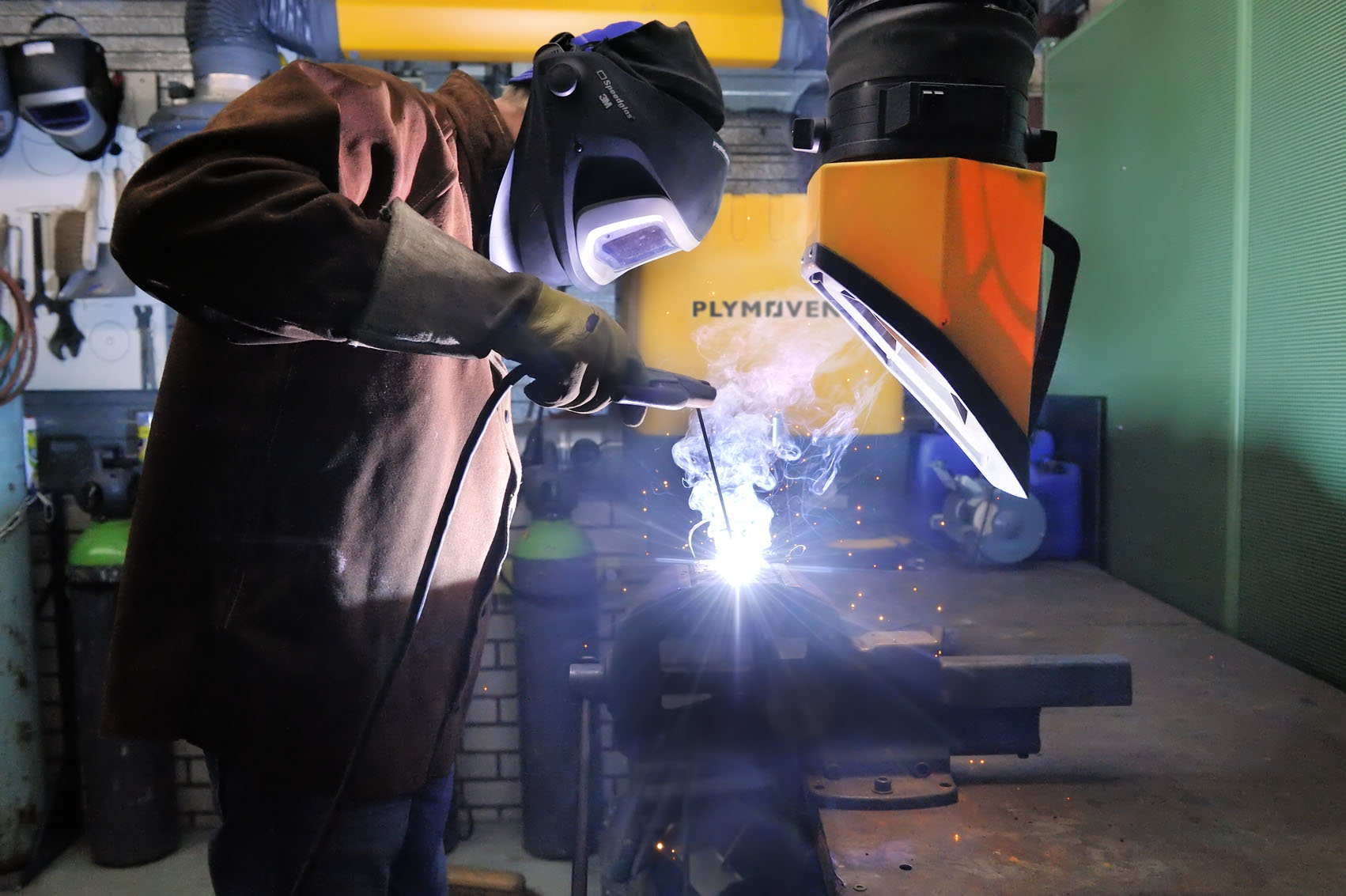
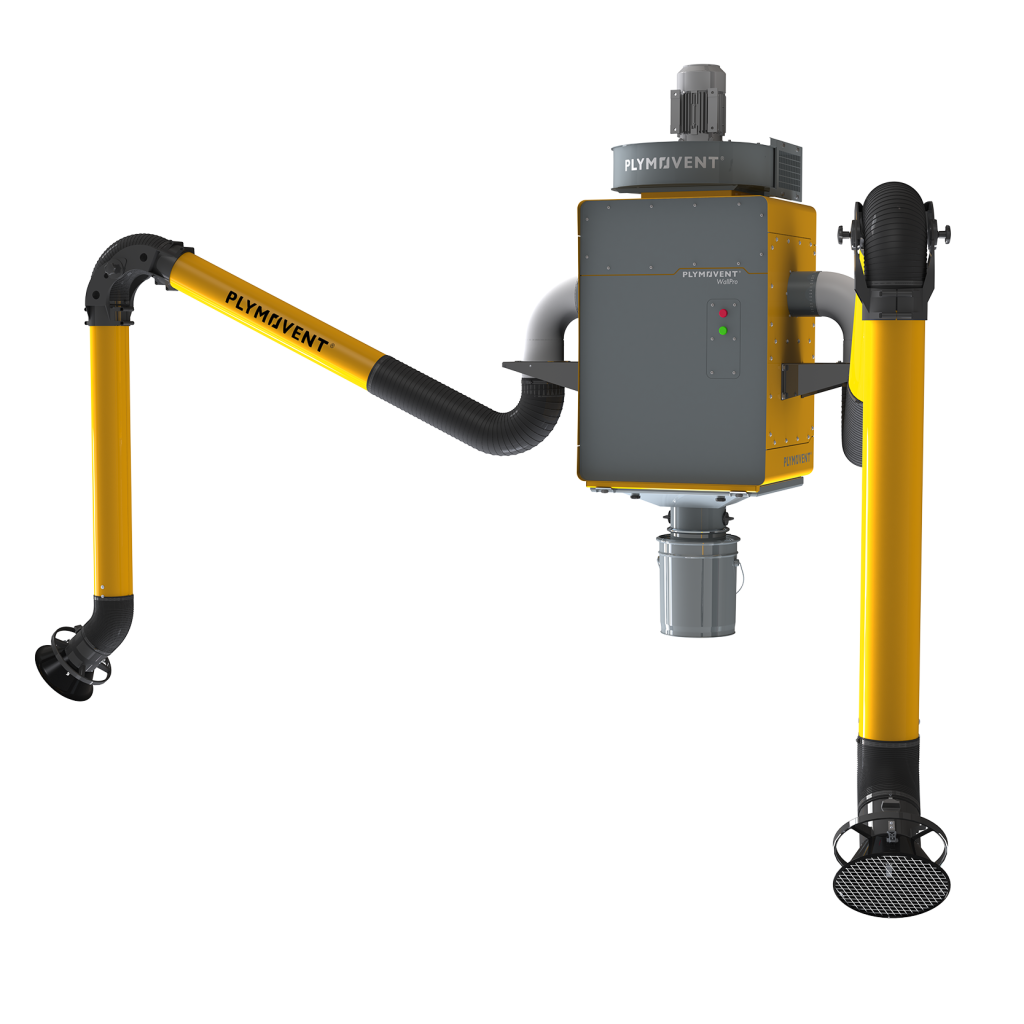
Welding fume extraction arm used in an industrial workshop

Why Welding Fume Extraction Matters

Welding and cutting can release fine fumes and smoke into the working area. Without effective control, fumes can spread through the workshop, settle on surfaces and affect people working nearby. A properly selected extraction system helps capture welding fumes closer to the source and supports cleaner, more controlled working conditions.

Important to Know

Not every workshop needs the same extraction system. The correct solution depends on the welding process, materials being welded, frequency of use, number of welding stations, workshop layout and whether the work is fixed or mobile.

Advantages of a Welding Fume Extraction System

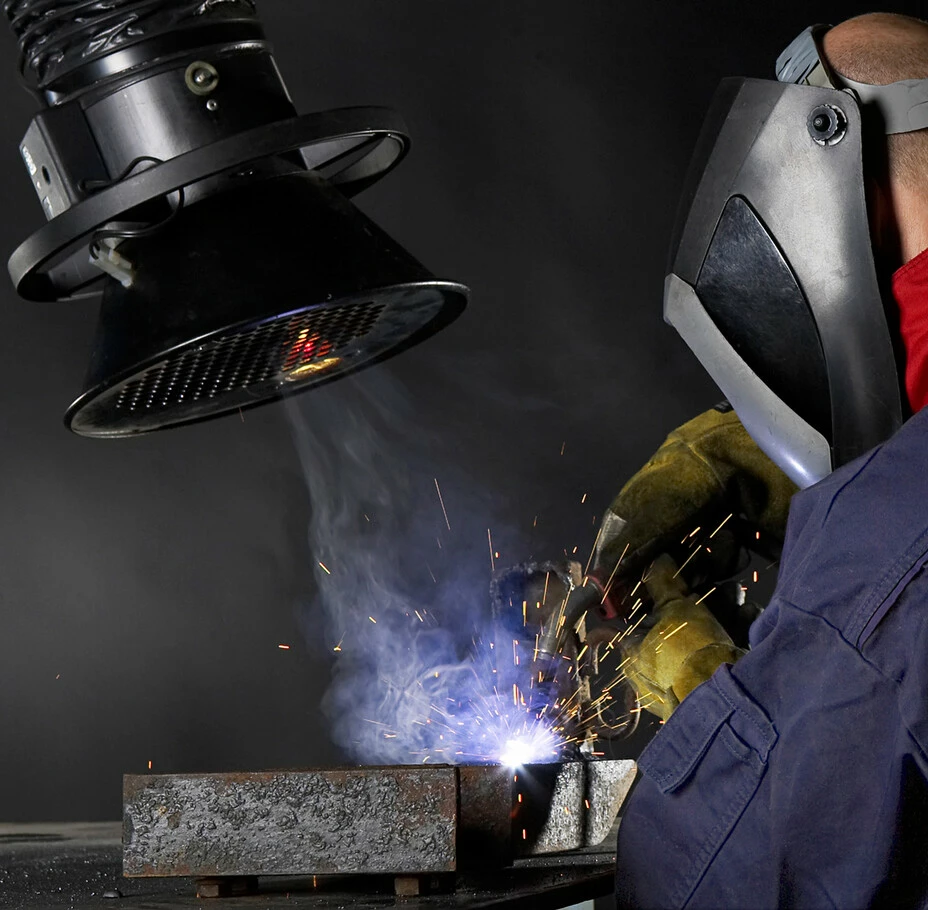
A well-planned welding fume extraction system can help create a cleaner and more controlled working environment. It can also support housekeeping, reduce visible smoke build-up and help control fumes before they spread through the facility.

Request Practical advice
Key benefits

Choose the right welding fume extraction approach

Airtrax can help to control the welding fumes with source extraction, hoods or general ventilation and filtration systems

Extraction Arms

Fixed welding bays or repeat welding positions. Captures welding fumes close to the source before they spread into the workshop.
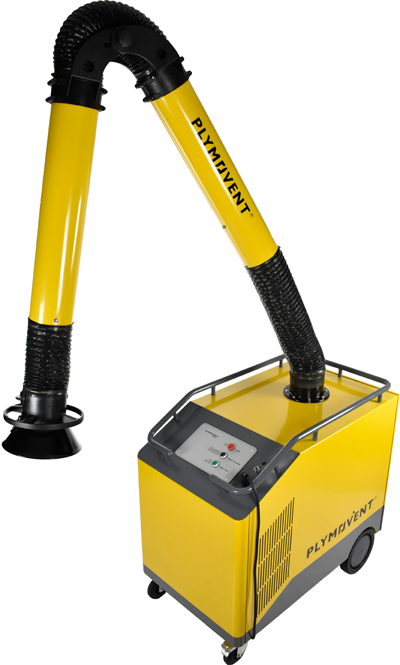
Plymovent MobilePro mobile welding fume extractor

Mobile Welding Fume Filters

Flexible work areas, smaller workshops or changing welding positions. Mobile filters can be moved closer to the welding task.
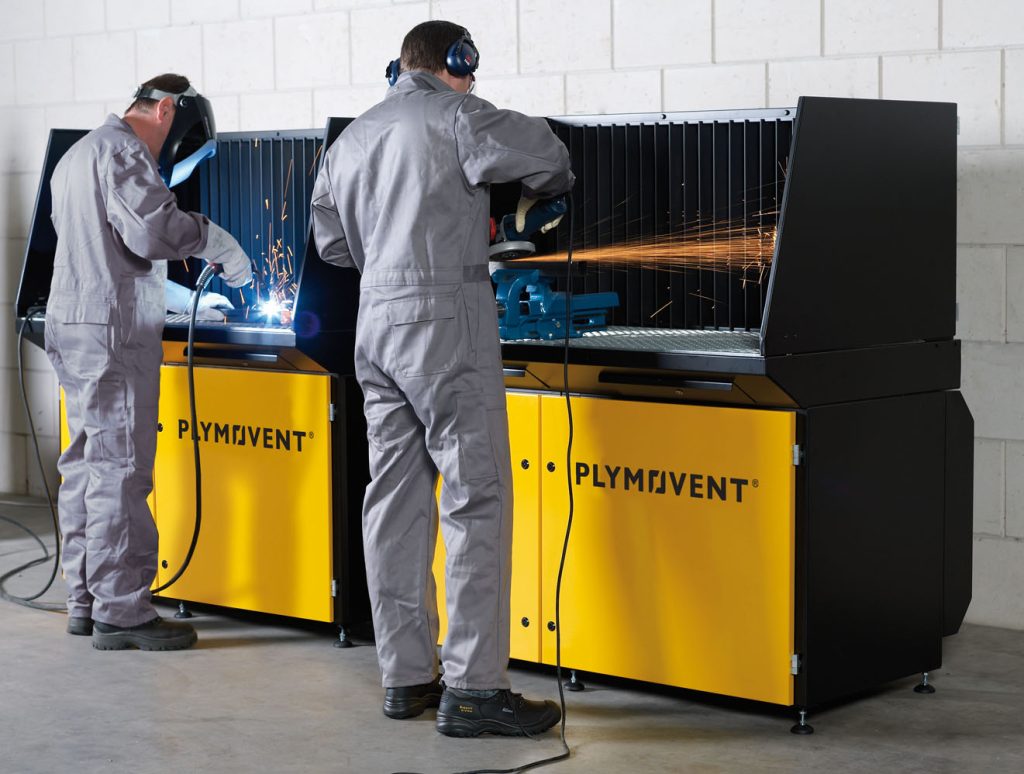
Plymovent DraftMax downdraft welding table

Downdraft & Backdraft Tables

Bench work, smaller parts and controlled workstations. These systems help draw fumes away while work is done on a table or bench.
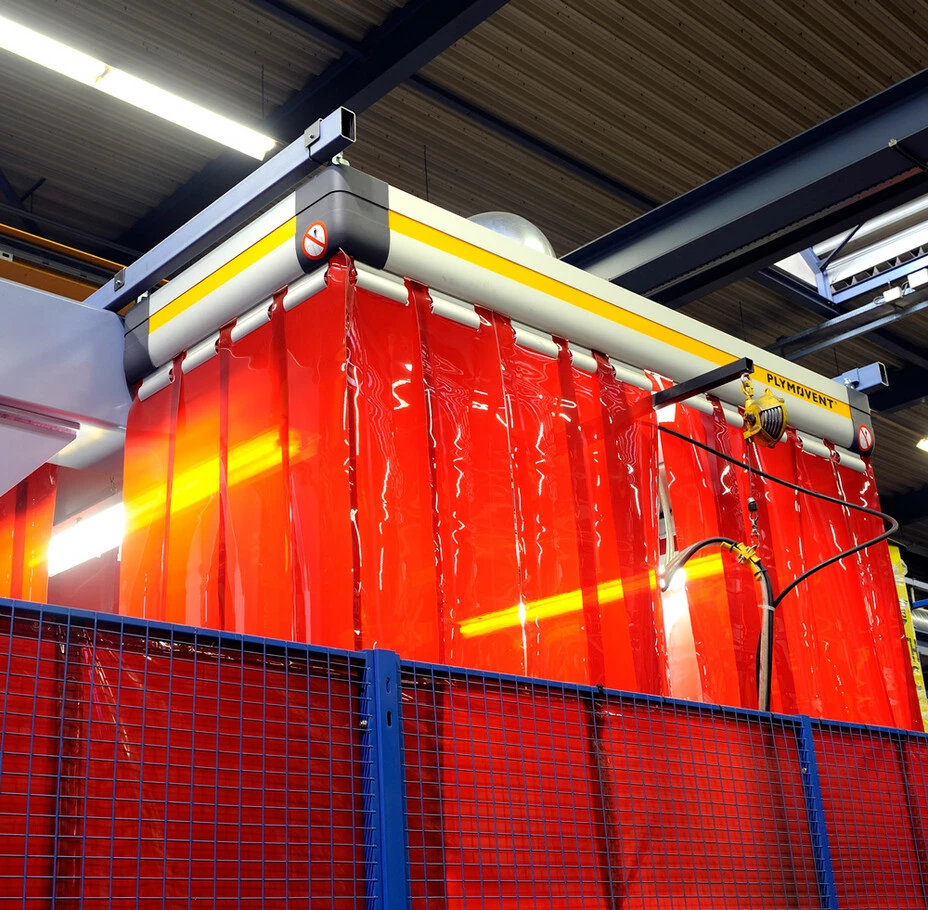
Extraction Hoods

Larger workpieces, robotic welding or defined welding areas. Hoods help capture fumes where direct arm extraction is not enough.
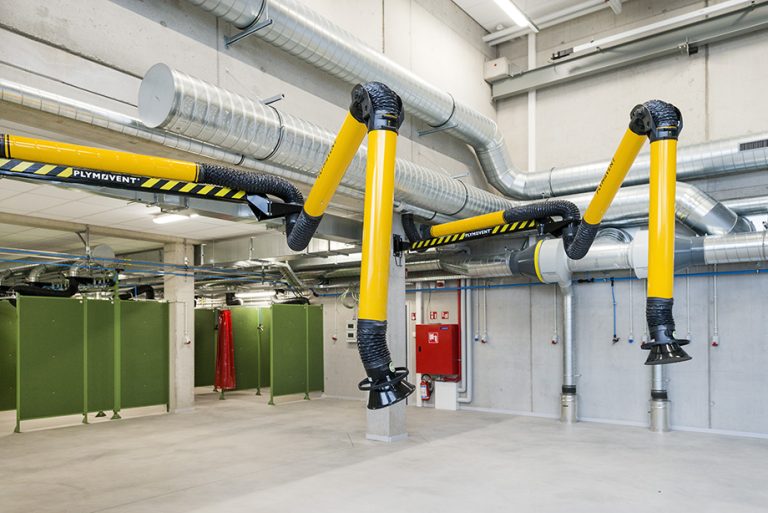
Stationary welding fume filtration system with extraction arms

Stationary Filtration Systems

Multiple welding points or larger workshop layouts. Stationary systems can support several extraction points through one filtration unit.
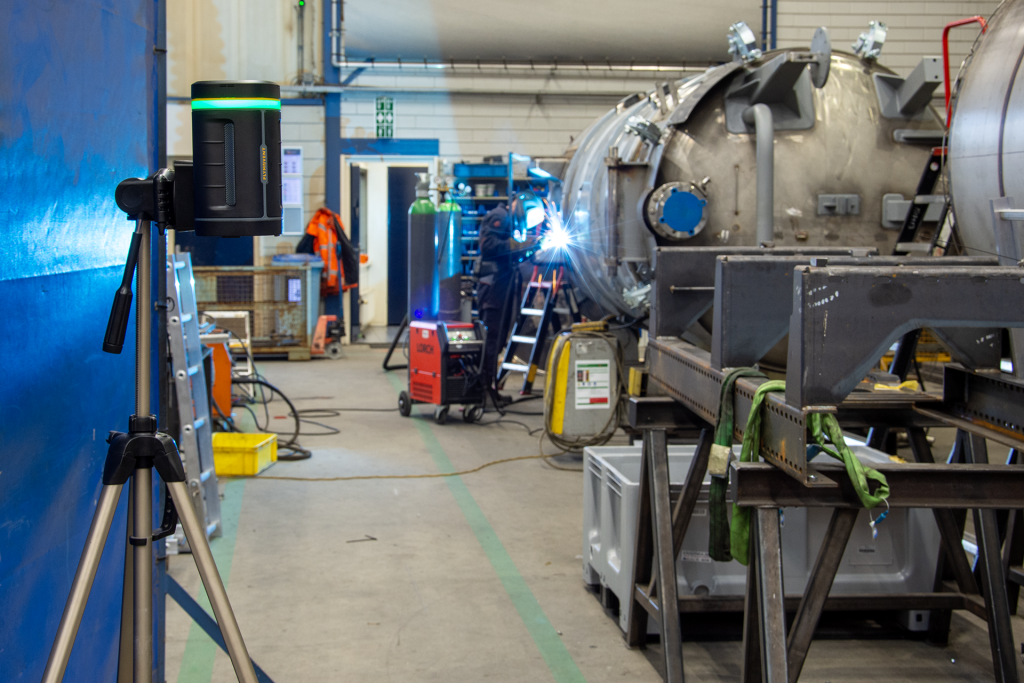
Plymovent AeroGuard monitoring air quality in a welding workshop

Air Quality Monitoring

Facilities that want better visibility of air quality conditions. Monitoring can support better decisions around workplace air quality.

Not sure which system you need? Talk to an Airtrax Engineer

A simple 3-step approach to welding fume control

Start close to the welding source, then improve the surrounding area where needed.

STEP 1

Capture fumes close to the source

The first option is usually to capture fumes as close as possible to where welding takes place. This may include extraction arms, mobile filters or downdraft tables.

STEP 2

Control the welding area

Where source capture alone is not practical, the next step is to control the area around the welding process with hoods, screens, booths or welding zones.

STEP 3

Support wider workshop air quality

Larger workshops may need general filtration or ventilation to help reduce fume build-up in the wider area.

COMMON APPLICATIONS

Where welding fume extraction is commonly used

Welding fume extraction is used in many industrial and commercial working environments. Airtrax helps identify practical extraction options based on the workshop layout, welding activity and how the area is used every day.
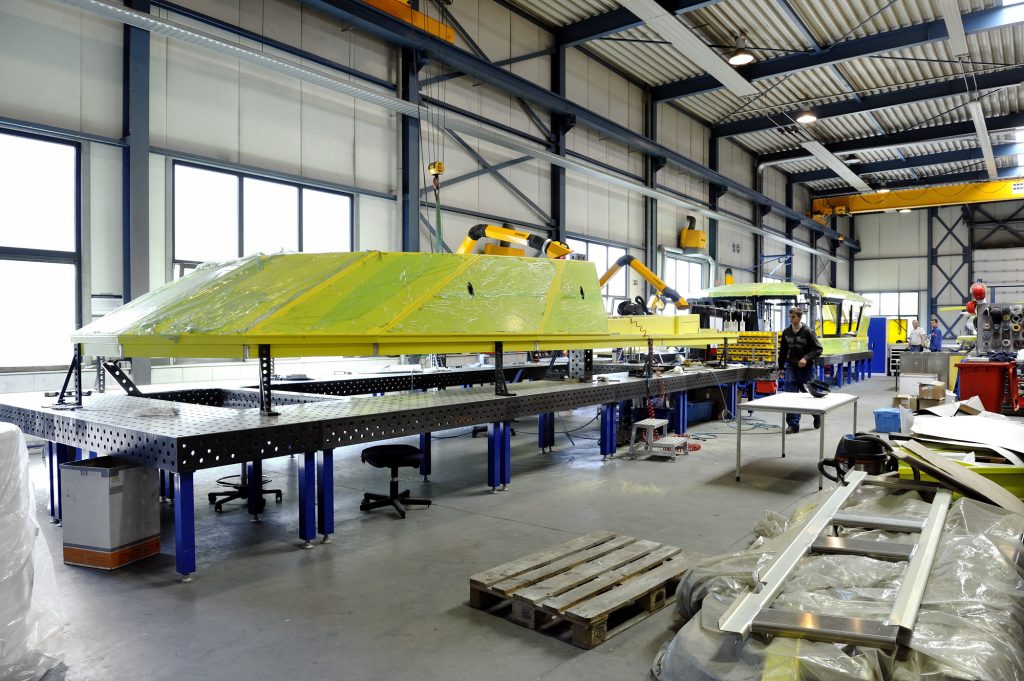
Typical welding environments

Not sure if your site fits one of these applications? 

Talk to an Airtrax Engineer →

How Airtrax supports your site

Airtrax helps you review the welding area, identify practical extraction options and plan the next step without overcomplicating the process.

01

Site discussion

Understand your welding area and daily use.

02

Practical recommendation

Match the system to the process and layout.

04

Ongoing support

Support with installation, service and maintenance planning.

Request a Welding Fume Site Discussion

30+ Years of Industrial Air Quality Experience

Founded in South Africa in 1995, Airtrax has supported industrial clients with engineered ventilation, welding fume extraction and workplace air-quality solutions for more than 30 years. Our support covers site assessment, equipment selection, system design, installation, commissioning, maintenance and technical after-sales service.

01

Established in 1995

South African industrial air-quality experience.

02

Specialist extraction knowledge

Practical support for workshops, factories and welding facilities.

03

Plymovent solutions

Access to established welding fume extraction equipment and technology.

04

Long-term technical support

Installation, commissioning, filter service and maintenance assistance.

Request a Welding Fume Site Discussion

Maintenance and Technical Support

Extraction performance depends on correct use, suitable airflow and regular maintenance. Airtrax provides technical support to help keep welding fume extraction equipment operating as intended.

Frequently asked questions

Answers to common questions about welding fume extraction systems, applications and how Airtrax can help.

What is welding fume extraction?

Welding fume extraction is the process of capturing and filtering fumes and smoke created during welding or cutting. The aim is to reduce fume build-up in the working area and improve air quality around the welding process.


It depends on the welding process, how often welding takes place, the workshop layout and whether the work is fixed or mobile. Common options include extraction arms, mobile filters, hoods, downdraft tables and central filtration systems.

In many cases, capturing fumes close to the welding source is the preferred starting point because it helps control fumes before they spread. Larger workshops may also need general filtration or ventilation as additional support.

Yes. Airtrax can help review the application and recommend a practical welding fume extraction approach based on the site layout and operating requirements.

Airtrax supports engineered ventilation and extraction solutions, including Plymovent solutions for African markets. Speak to Airtrax for application guidance and product selection.

Discuss Your Welding Fume Extraction Requirements

Tell us about your welding processes, workshop layout and current fume-control challenges. An Airtrax engineer can help you identify a practical next step.
Talk to an Airtrax Engineer